


Loewe Didn't Get Cool by Accident
- Samia Atique
- Mar 6
- 4 min read

Updated: Mar 19
How a 177-year-old Spanish leather house quietly became the most culturally relevant luxury brand on the planet — and what that actually took.

There's a moment, somewhere around 2021, where Loewe started showing up everywhere. Not because they suddenly spent more on advertising. Not because a celebrity wore something to the Met Gala. They started showing up because people genuinely couldn't stop talking about what they were making. The same intentionality driving luxury fashion is showing up in unexpected places — even in what Gen Z is drinking.
A bag shaped like a puzzle. Knitwear that looks like it's melting off the body. A collaboration with Studio Ghibli that somehow felt completely natural. This is a brand that has been around since 1846, and it's currently beating houses half its age at their own game. So what's actually going on?
This is a breakdown of Loewe's marketing, what they do differently, why it works, and what anyone building a brand can learn from it.
Jonathan Anderson Changed Everything

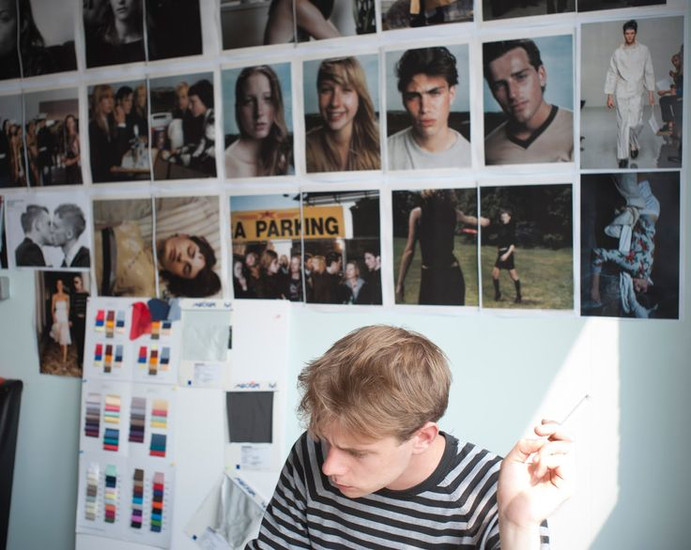

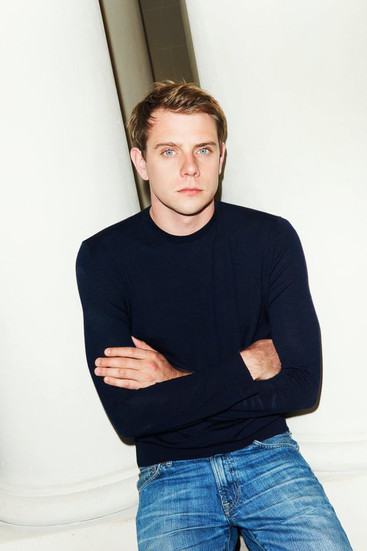

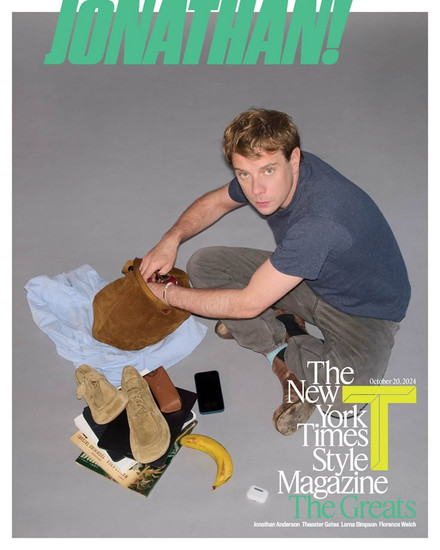

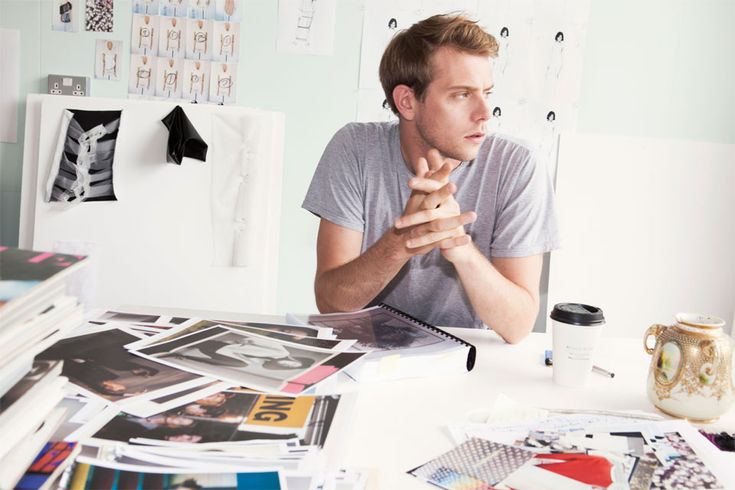


When Jonathan Anderson took over as Creative Director in 2013, Loewe was a respected but quiet house. Beautiful leather goods. Strong heritage. Not much to talk about. Anderson turned that around not by chasing relevance, but by committing hard to a specific point of view — one rooted in craft, art history, and a refusal to take fashion too seriously.
What he understood, and what a lot of brands still miss, is that in the era of social media, the creative director isn't just making clothes. They're building a character that people want to follow. Anderson's persona — bookish, unexpected, genuinely weird in the best way — became part of the Loewe brand itself.
A brand without a perspective is just a product. Anderson gave Loewe something to actually stand for.
He also made Loewe feel like it was run by someone with taste, rather than a committee. That's rarer in luxury than you'd think.
The Viral Products That Don't Feel Calculated



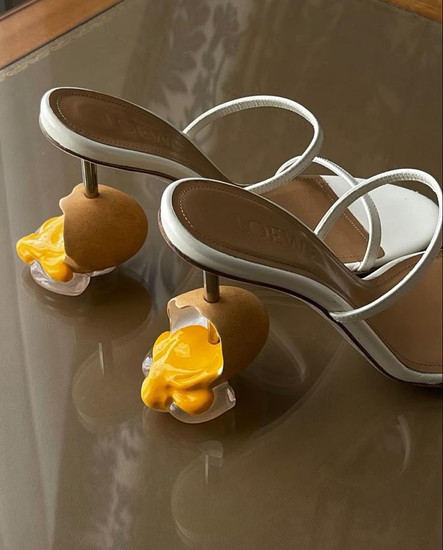



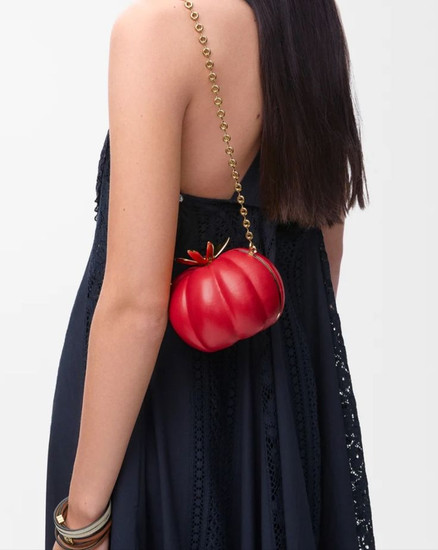



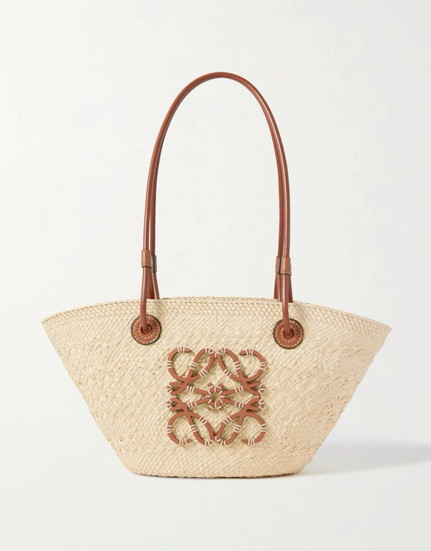
The Puzzle bag. The tomato clutch. The woven raffia pieces. The egg heels. Loewe keeps producing objects that stop people mid-scroll, and the key is that they never look like they were designed to go viral. They look like they were designed by someone who wanted to see if they could actually make that thing.
That distinction matters enormously. When something is engineered for virality, you can smell it. It feels hollow. When something is genuinely eccentric and well-made, the internet finds it and spreads it because people actually want to show it to each other.
Loewe's pieces reward attention. The craftsmanship is real. The concept is interesting. People share them because sharing them makes the sharer look like someone with good taste — which is exactly how you want your marketing to work.
The Craft Prize: Marketing That Doesn't Look Like Marketing
In 2016, Loewe launched the Craft Prize — a biennial award recognising artisans from around the world working in traditional craft disciplines. Ceramics. Weaving. Glassblowing. Things that have nothing to do with selling a handbag.
And yet it might be the smartest marketing move the brand has made.
Think about what it actually communicates. It doesn't tell you Loewe values craft — it shows you, by putting real money and real institutional weight behind craft that has no commercial angle whatsoever. It earns press in publications that would never cover a fashion campaign. It builds relationships with artists, curators, and cultural institutions. And it creates a community of people who feel genuinely connected to what the brand stands for.
The best brand marketing doesn't feel like brand marketing. It feels like the brand actually doing something.
The Craft Prize is proof that you can turn your values into a content strategy — and get far more mileage from it than any campaign spend would give you.
Culture Over Celebrities

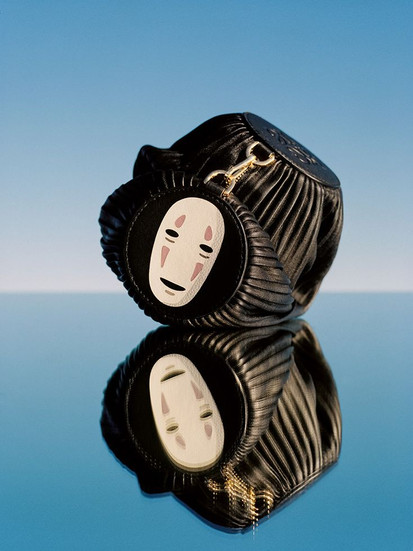



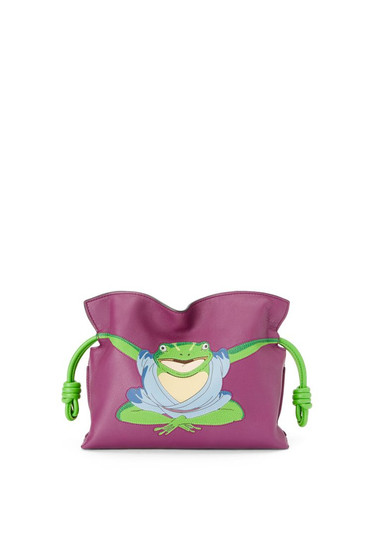

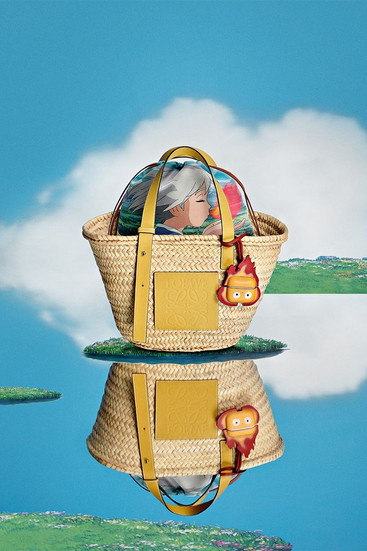


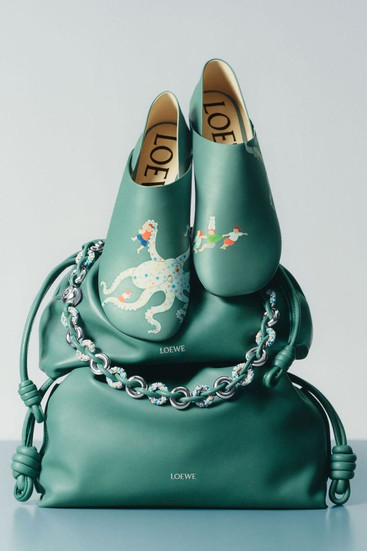
The Studio Ghibli collaboration was a lot of things — Spirited Away prints on tailoring, Totoro woven into bags — but above all it was a signal. Loewe doesn't just want to be worn by interesting people. It wants to exist in a world of interesting things.
Most luxury brands at this level are chasing celebrity. Loewe is chasing culture. The difference is that celebrities are borrowed equity — here today, complicated tomorrow. Cultural alignment, done right, sticks. Nobody is going to stop loving Studio Ghibli. Nobody is going to un-discover the Ken Price ceramics Loewe collaborated with, or forget that the brand has a genuine track record of caring about art.
That track record takes years to build. Which is why competitors can't just copy it next season.
What This Looks Like in Practice
It's worth being concrete about what Loewe's approach actually looks like when you break it down:
Product design | Designed to provoke curiosity, not just admiration. If people want to explain it to each other, you've won. |
Collaborations | Rooted in genuine shared values — art, craft, imagination — not just audience size or trend alignment. |
Social media | Edited, unhurried, not trying to win the algorithm. The restraint is itself a message. |
Retail & events | Spaces designed to feel like you're inside the brand's head, not inside a shop. |
The Actual Lesson:

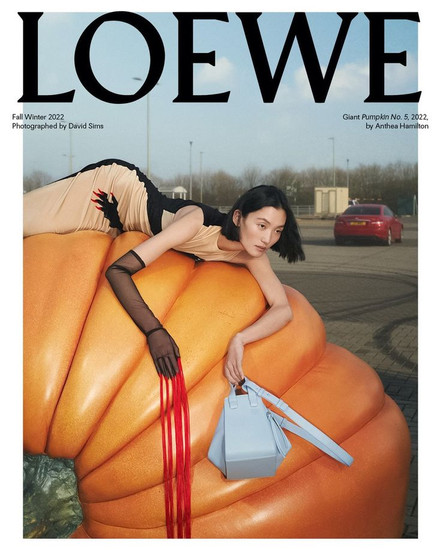



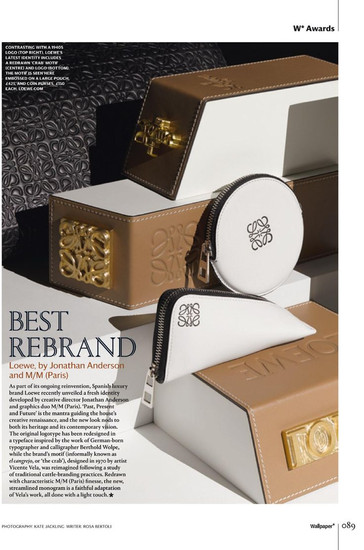


Loewe's success isn't about having a bigger budget or a smarter algorithm. It's about having a genuine point of view and being disciplined enough to protect it. Anderson looked at the brand's 177-year history and found the thread worth pulling — craft, art, the idea that objects can carry meaning — and built everything around that.
The products, the collaborations, the Craft Prize, the social media aesthetic — they all come from the same place. That coherence is what makes the brand feel real rather than constructed. And in the current landscape, where consumers are extremely good at detecting brands that are performing authenticity rather than having it, that's everything.
It takes time. It takes discipline. And it requires someone at the top willing to say no to things that don't fit, even when those things look like opportunities. But when it works, you get what Loewe has right now: a brand that people actually want to talk about, without being asked to.
The goal was never to go viral. The goal was to make something worth caring about. The internet did the rest.
The Studio Ghibli collab is what first got me into Loewe — your point about chasing culture over celebrities perfectly explains why it hit so differently.
This was such an interesting read. I love how you framed Loewe as a brand with a point of view rather than just products it really explains why their pieces feel so different. The idea that they’re chasing culture, not just visibility, really stood out. It makes their success feel intentional, not accidental.